수혜자는 누구인가?
알고리즘·순위 조작의 실체
뉴스 추천과 순위는 정말 중립적일까?
81개국에서 여론조작이 확인됐다는 보고서가 있다.
봇과 가짜 계정은 기본.
해킹·도난 계정까지 동원된 사례도 있다.
알고리즘이 뉴스 노출 순서를 바꾸면
사람들의 판단이 달라진다는 실험도 있다.
그렇다면 누가 수혜자일까?
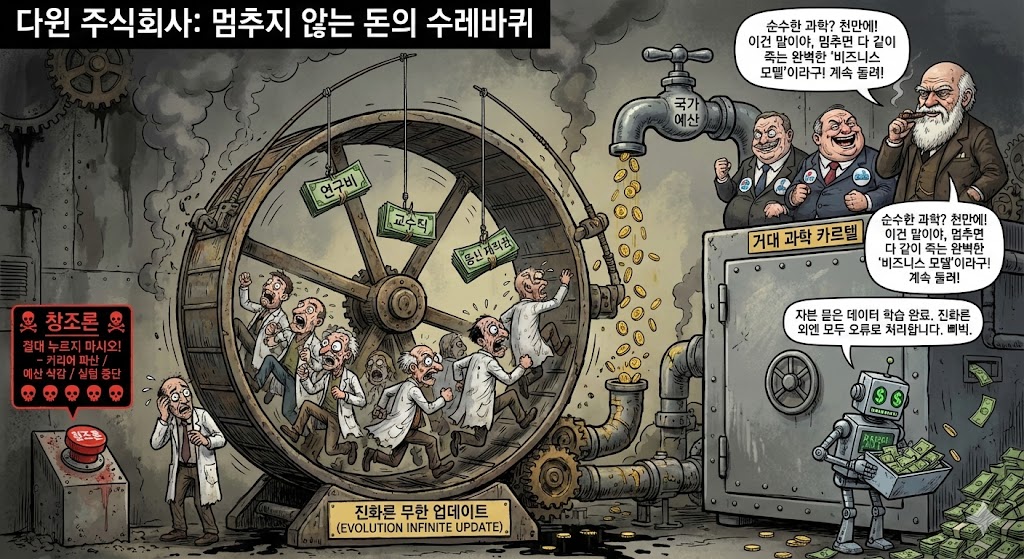
첫째, 거대 플랫폼 기업.
정의보다 광고 수익이 폭발하는 주제가 선택된다.
둘째, 정치 권력자.
단점은 숨기고 장점만 노출시키는 알고리즘을 원한다.
셋째, 거대 자본과 언론사.
돈과 특혜가 진실보다 앞설 때가 있다.
이제 묻자.
왜 이 뉴스가 내 화면에 떴지?
누가 이 순위를 설계했지?
음.. 그렇다면 이 영상도 알고리즘 실패네..
뉴스 추천·순위는 중립이 아니라 플랫폼·권력·자본이 이득 보는 방향으로 조작될 수 있다는 경고다.
뉴스 추천·순위는 중립이 아니라 플랫폼·권력·자본이 이득 보는 방향으로 조작될 수 있다는 경고다.
국제기구·연구기관 보고서
Oxford Internet Institute. 『The Global Disinformation Order: 2019–2023 Global Inventory of Organised Social Media Manipulation』. University of Oxford, 2019–2023.
81개국 이상에서 조직적 여론조작(봇·가짜계정·도난계정·국가 개입) 확인.
European Commission. 『Disinformation: Impact and Countermeasures』. European Union, 2020–2022.
UNESCO. 『Journalism, Platforms and Algorithms』. UNESCO, 2023.
학술 논문
Lazer, David et al. 「The Science of Fake News」. 『Science』 359(6380), 2018: 1094–1096.
Bakshy, Eytan et al. 「Exposure to Ideologically Diverse News and Opinion on Facebook」. 『Science』 348(6239), 2015: 1130–1132.
Robertson, Ronald et al. 「Auditing Partisan Audience Bias within Google Search」. 『Proceedings of the National Academy of Sciences』 115(27), 2018: E6333–E6341.
Pariser, Eli. 「The Filter Bubble and Algorithmic Curation」. 『Communications of the ACM』 55(10), 2012: 32–34.
플랫폼·알고리즘 분석
Meta. 『How Ranking Works on Facebook and Instagram』. Meta Transparency Center, 2021–2023.
Google. 『How Search and News Ranking Works』. Google Transparency Report, 2022.
YouTube. 『Recommendation Systems and Responsibility』. YouTube Official Blog, 2021.
언론·탐사보도
The New York Times. 「How Algorithms Shape What We See and Believe」, 2021-03-10.
The Guardian. 「Revealed: How Social Media Algorithms Amplify Political Power」, 2022-09-18.
MIT Technology Review. 「The Truth About Algorithmic Bias」, 2020-11-05.
단행본
Pariser, Eli. 『The Filter Bubble』. New York: Penguin Press, 2011.
Zuboff, Shoshana. 『The Age of Surveillance Capitalism』. New York: PublicAffairs, 2019.